Pig Skin Font: A Playful Typeface for Bold Web Design
As a web designer, choosing the right typeface can make or break your layout. Pig Skin is a bold, sans-serif font that brings energy and character to digital projects without sacrificing clarity. Its playful yet sporty vibe makes it an excellent choice when you want to inject personality into headers, banners, or brand-focused elements while maintaining strong visual hierarchy.
Visual Characteristics of Pig Skin
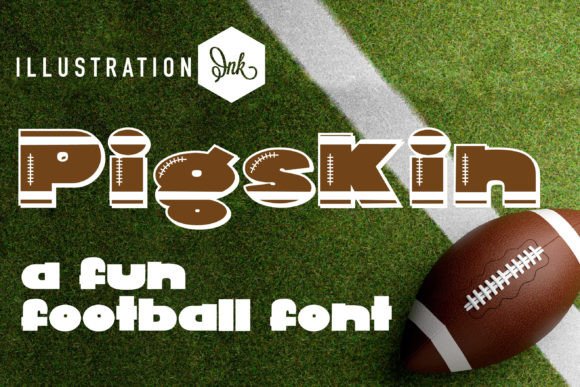
Pig Skin has a distinctive, rounded edge with exaggerated letterforms that echo the texture and shape of an American football. The font's weight distribution and open apertures contribute to its legibility, even at smaller sizes. However, its most striking feature is its expressive style—ideal for display purposes rather than long-form reading. This makes Pig Skin a go-to option for hero sections, call-to-action buttons, and logo design where impact matters more than subtlety.
Personality and Style
- Playful: Pig Skin’s rounded edges and dynamic curves evoke a sense of fun and creativity.
- Sporty: Inspired by American football aesthetics, it works well for fitness brands, gaming sites, and youth-oriented content.
- Bold and Confident: With high contrast and generous spacing, it commands attention in any composition.
- Modern Typography: While rooted in a nostalgic feel, Pig Skin is designed for today’s digital screens and responsive layouts.
Using Pig Skin in Website Headers and Hero Sections
In website headers and hero sections, Pig Skin shines. Its strong presence allows it to stand out against both light and dark backgrounds, especially when paired with contrasting colors. For instance, using Pig Skin in a bright red on a white background for a sports apparel landing page immediately conveys excitement and urgency. It’s also great for creating a focal point in minimalist designs, guiding users toward the main message or CTA (call-to-action).
A practical example might involve a boutique online store selling custom gear. By applying Pig Skin to the hero headline “Customize Your Game,” the brand feels more approachable and energetic, which aligns perfectly with their target audience of young athletes and enthusiasts.
Optimizing Readability and Visual Hierarchy
While Pig Skin is best suited as a decorative display font, it still maintains enough structure to be readable at larger sizes. When used correctly, it helps establish a clear visual hierarchy by drawing attention to key messages. In multi-column layouts or side-by-side content blocks, Pig Skin can serve as the primary heading while a simpler sans serif font handles subheadings and body copy.
For optimal scanning behavior, use Pig Skin for short phrases and headlines rather than paragraphs. Its stylized form may slow down reading if overused, so reserve it for areas where it adds emotional tone or emphasis. On mobile screens, ensure the font size is large enough to remain legible—usually 24px or above—and test how it performs in different resolutions.
Brand Tone and User Engagement
Typefaces like Pig Skin help reinforce a brand’s identity through consistent visual language. If your client wants to project a bold, youthful, and confident brand tone, this font can do just that. Whether it’s for a startup’s logo text or a coaching website’s motivational tagline, Pig Skin adds a layer of character that supports engagement and memorability.
It’s important to note that while Pig Skin is lively, it should complement—not overshadow—the overall design. Use it strategically in branded web experiences to maintain professionalism while keeping the user experience enjoyable and visually stimulating.
Font Pairing Strategies for Web Design
Pairing Pig Skin with a clean, neutral sans serif such as Helvetica Neue or Lato can balance its decorative flair with readability. For editorial-style websites or course sales pages, consider using it alongside a modern serif font like Merriweather or Georgia. This combination can create a unique contrast between playful headers and serious body content, helping to define the tone of each section clearly.
If you're working on a product landing page or a portfolio site, try combining Pig Skin with a monospaced or geometric sans serif for code snippets or testimonials. The result will be a fresh, creative look that stands apart from generic templates.
Practical Applications Across Digital Projects
Pig Skin is versatile enough to adapt to various contexts within web design. Here are some specific use cases:
- Creative Portfolio Sites: Use Pig Skin for the artist’s name or a standout project title to add a memorable touch.
- Online Stores: Apply it to seasonal banners, sale announcements, or category headings to boost visual interest.
- Coaching Websites: Ideal for motivational quotes or workshop titles, especially in niches like fitness, leadership, or personal development.
- Digital Ads: Perfect for headlines in social media ads or Google Display campaigns where quick readability is key.
- Course Sales Pages: Use it to highlight the course title or key benefits, making them pop and encouraging sign-ups.
- Blog Headers: Add a creative twist to article titles without compromising the blog’s editorial voice.
- Branded Web Content: Incorporate it into email headers, newsletter titles, or marketing materials to keep the brand identity cohesive.
Responsive Layouts and Mobile Optimization
When implementing Pig Skin in responsive layouts, always consider how it scales. Avoid using it in small buttons or menus unless absolutely necessary, as the stylized nature might hinder usability. Instead, focus on using it in full-width headers, image overlays, and promotional banners where it can breathe and remain impactful across all screen sizes.
On mobile devices, Pig Skin looks best when the line height is increased slightly and the letterspacing is adjusted for better readability. Also, ensure sufficient contrast between the text and background—especially when overlaying it on images or video backgrounds.
Checking Included Styles and File Formats
Before integrating Pig Skin into your design assets, review what styles are included. Most premium fonts offer multiple weights and alternates, allowing you to build a more robust typographic system. If available, download the webfont formats (.woff, .woff2) for fast loading and cross-browser compatibility.
Also, verify whether Pig Skin includes multilingual support, which is essential for international audiences or global branding efforts. Some decorative fonts lack extended character sets, but a well-rounded option like Pig Skin likely provides the necessary glyphs for broader use.
Commercial Licensing and Brand Assets
If you plan to use Pig Skin in commercial web design projects, check the licensing agreement to confirm usage rights for websites, online stores, landing pages, and digital templates. Many premium fonts require individual licenses for each client or platform, especially when used in brand kits or logos. Ensuring proper licensing not only protects your work but also gives clients peace of mind knowing they’re using legally approved design assets.
Creating Consistent Online Identity with Pig Skin
Consistency is key in building a strong brand. Pig Skin can act as the anchor of your brand’s typographic identity when used thoughtfully. For example, a SaaS founder launching a new app might pair Pig Skin with a sleek sans serif in their brand kit, ensuring the font is used consistently across the product landing page, social media graphics, and email signatures.
This kind of consistency helps users recognize the brand instantly. Even though Pig Skin is a decorative font, its repetition in strategic places builds familiarity and trust over time. Just remember to avoid overuse—keep it limited to display areas to preserve the balance between style and function.
Logo Design and Decorative Accents
Pig Skin is particularly effective in logo design for brands that want to stand out with a bold, modern look. Think of a retro-inspired sneaker brand or a local sports bar using this font for their signage and branding. The font’s personality fits well in environments where a casual, confident tone is desired.
Additionally, it can be used as a decorative accent in UI design—for example, highlighting a special offer on a banner or adding a quirky subtitle beneath a more traditional header. These subtle touches can elevate the user experience and make the interface feel more engaging.
Real-World Examples of Pig Skin in Action
Here are a few real-world examples of how Pig Skin could be applied effectively:
- A gaming podcast uses Pig Skin for episode titles and author names, reinforcing a fun and energetic vibe.
- An online store featuring vintage sports memorabilia applies Pig Skin to collection headers and sale alerts, enhancing the nostalgic appeal.
- A fitness trainer’s website integrates Pig Skin into the hero headline and button labels, aligning with the active and driven brand message.
- A course sales page for a digital art class uses Pig Skin for the headline and section dividers, making the layout more inviting and creative.
- A blog about streetwear uses Pig Skin in post titles and pull quotes to reflect the culture-driven content.
Each of these scenarios demonstrates how Pig Skin can enhance the visual storytelling of a website while staying functional and appropriate for the context.
Conclusion
Pig Skin is more than just a decorative font—it’s a tool for expressing brand tone, guiding user attention, and creating memorable digital experiences. As a designer, your job is to choose fonts that align with the purpose of the design. Pig Skin excels in situations where boldness and playfulness are needed, making it a valuable addition to your typography toolkit.
Whether you’re designing a landing page, a brand kit, or a series of social media graphics, Pig Skin offers a unique way to connect with your audience. Just remember to use it wisely, pair it with complementary fonts, and optimize it for different screen sizes and background types. With the right application, Pig Skin can become a signature element of your next big project.